
Meta's Nuclear Bet Exposes AI's Energy Crisis
Meta's 6.6 gigawatt nuclear commitment reveals what renewables couldn't deliver for AI infrastructure.
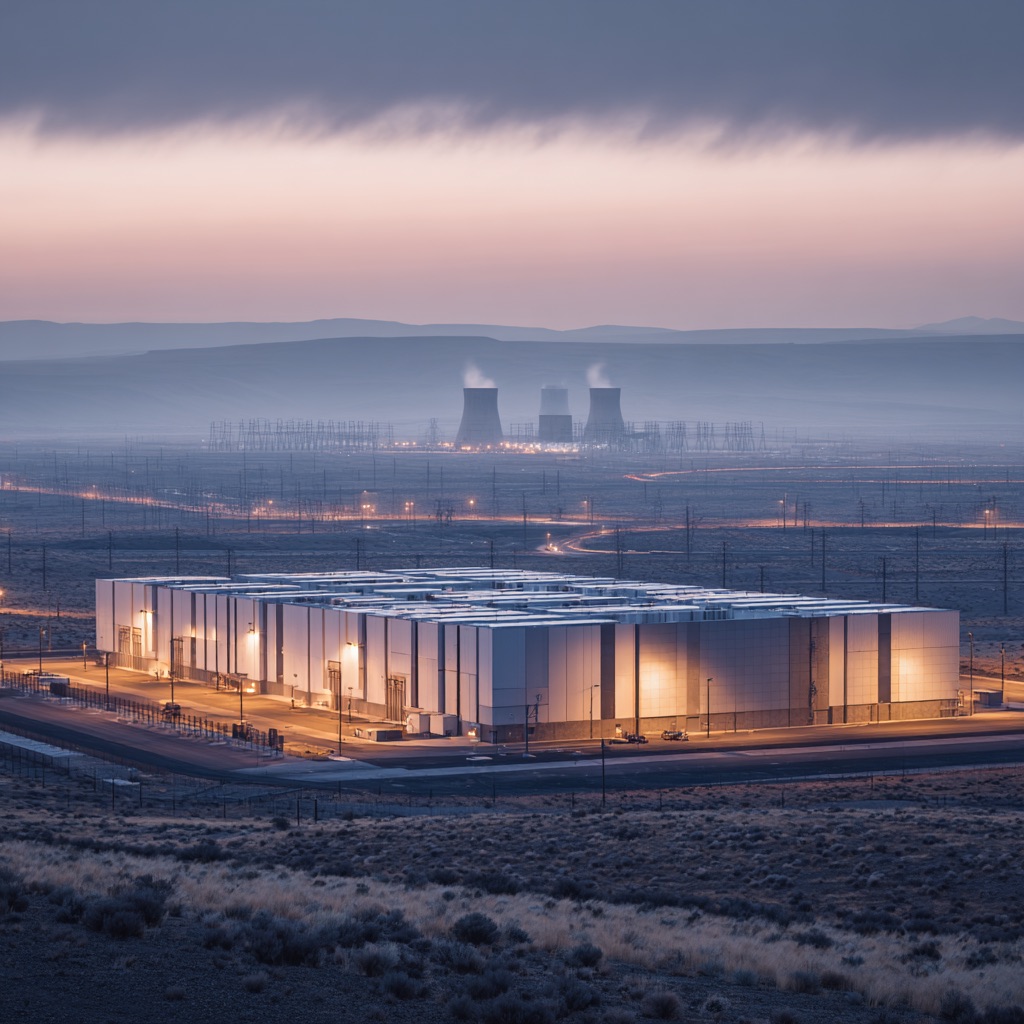
The celebration is missing the forest for the trees.
Meta just committed to purchasing 6.6 gigawatts of nuclear power by 2035, and everyone's calling it a clean energy win. But here's what we're actually watching: Meta admitting that AI's energy appetite has grown so massive and so constant that traditional renewables simply can't feed it anymore.
This isn't sustainability leadership. It's damage control for an energy crisis that's already here.
Key Takeaways:
The Renewable Mismatch: AI superclusters need 24/7 baseload power at 90-100% utilization for weeks continuously, a demand pattern solar and wind cannot consistently meet without massive battery storage that doesn't exist at scale
The Natural Gas Reality: While tech companies tout renewable energy certificates, 40% of U.S. data center electricity comes from natural gas, expected to more than double to 293 TWh by 2035 as the actual backup for intermittent renewables
Nuclear as the Only Baseload Solution: Meta's 6.6 GW commitment represents the first public admission that carbon-free, always-on baseload power at AI scale can only come from nuclear
The Energy Gap Crisis: New nuclear operations take 7-10 years to materialize, meaning natural gas will continue filling the gap between today's AI energy needs and tomorrow's nuclear solutions
Consumer Cost Spillover: Data center energy demand is driving an estimated 8% increase in average U.S. electricity bills by 2030, potentially exceeding 25% in high-demand markets like Virginia
The Math That Broke Renewables
We've spent years hearing tech companies tout their solar farms and wind contracts. The press releases looked great. The sustainability reports checked all the boxes.
But AI superclusters don't sleep.
A single AI training run for a large language model can take weeks or months of continuous computation. You can't pause it overnight and restart in the morning. The models need consistent power delivery, and any interruption means lost progress, wasted compute time, and burned money.
When the sun sets or the wind stops, those data centers still need to run at full capacity. Global data center electricity consumption is projected to double from 415 TWh in 2024 to 945 TWh by 2030. That's growing at 15% per year, more than four times faster than all other sectors combined.
Battery technology hasn't scaled to the point where you can store enough energy to power a massive data center through the night, let alone through multiple cloudy days or calm wind periods.
The gap isn't just a few hours of darkness. It's the fundamental mismatch between how AI works and how renewable energy is delivered.
The Dirty Secret Behind Clean Energy Press Releases
So what's been powering these AI superclusters when the renewables went offline?
Natural gas.
While tech companies have been buying renewable energy credits and signing power purchase agreements for solar and wind to hit their sustainability targets on paper, the actual electrons powering their data centers during peak AI training hours are often coming from fossil fuels.
It's a shell game with accounting.
They'll say "we're 100% renewable" because they've purchased enough green energy certificates to match their annual consumption. But that's not how the grid works in real time. When their AI models are crunching through training at 2 AM and the wind isn't blowing, those data centers are pulling whatever power is available on the grid.
As of 2024, natural gas supplied over 40% of electricity for U.S. data centers, while renewables such as wind and solar supplied about 24%. Gas-power generation for data centers is expected to more than double from 120 TWh in 2024 to 293 TWh in 2035.
Some companies have been quietly lobbying to keep natural gas plants online longer than planned because they know they need that reliable backup. Others have been exploring on-site gas generators as insurance.
Meta's nuclear deal is significant because it's the first time a major tech company has publicly admitted that the renewable energy narrative doesn't match the operational reality of AI infrastructure.
Why Nuclear Is the Only Option Left
AI training keeps GPUs at 90-100% utilization for weeks continuously. There are no idle periods when power consumption drops. AI workloads don't have idle time.
You need always-on, carbon-free baseload power. Right now, only nuclear can deliver that at the scale AI demands.
Companies end up in this awkward position where they're publicly committed to renewables but privately dependent on baseload power from sources they'd rather not talk about. Meta's nuclear move is them finally acknowledging that you can't run the future of AI on an intermittent energy source.
We're now in a race between AI ambitions and energy physics.
Physics is winning.
The Industry Domino Effect
Meta isn't alone in this realization. A handful of financially powerful tech companies dominate the data center industry—Amazon Web Services, Google, Meta and Microsoft currently control 42% of U.S. data center capacity.
The investment announcements are staggering. OpenAI and President Trump announced the Stargate initiative to spend $500 billion to build as many as 10 data centers, each requiring five gigawatts. Apple announced $500 billion for manufacturing and data centers over four years. Google expects to spend $75 billion on AI infrastructure alone in 2025.
Every single one of these companies faces the same energy math that broke for Meta.
The uncomfortable truth is that we've built AI infrastructure on energy assumptions that don't hold up at scale. Meta's nuclear commitment is essentially a public confession that the emperor has no clothes.
What This Means for the Rest of Us
This energy crisis has real consequences beyond tech company balance sheets.
In the PJM electricity market, data centers accounted for an estimated $9.3 billion price increase in the 2025-26 capacity market. Average residential bills are expected to rise by $18 a month in western Maryland and $16 a month in Ohio.
One Carnegie Mellon University study estimates that data centers and cryptocurrency mining could lead to an 8% increase in the average U.S. electricity bill by 2030, potentially exceeding 25% in the highest-demand markets of central and northern Virginia.
The AI revolution isn't free. Someone pays for the power.
The Long Wait Ahead
Here's the final uncomfortable truth: new nuclear operations will take years, perhaps decades, to materialize.
In the U.S., data center development typically takes about seven years from initial steps to full operation. Grid connection requests are taking four to seven years in key regions like Virginia due to insufficient power generation.
Meta's agreements with Vistra, TerraPower, and Oklo make them one of the most significant corporate purchasers of nuclear energy in American history. But the power won't arrive tomorrow. Or next year.
There's a critical gap between today's energy needs and tomorrow's solutions.
So what happens in the meantime? The same thing that's been happening all along. Natural gas fills the gap. The accounting games continue. And the AI energy crisis deepens while we wait for nuclear facilities that may take a decade or more to come online.
Meta's nuclear bet isn't forward-thinking innovation. It's an admission that we're already behind.
Educational purposes only. Nothing here is legal, financial, or investment advice. Any offer is made solely through an issuer's own offering documents.